The principle
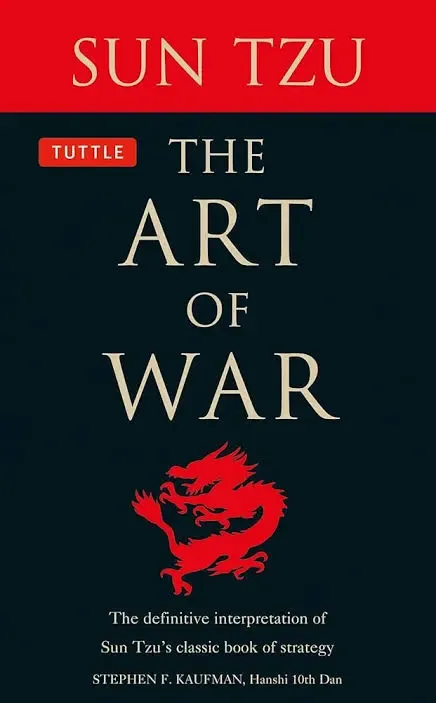
Sun Tzu taught that a wise commander does not haul every provision from home. He draws on the resources around him, and he valued one cartload obtained this way as worth twenty carried from his own stores. The point is not conquest. It is economy: you preserve your own strength by putting other people's resources to work for your own goals.
For Canada today, those resources are long-term private capital, and much of it is American.
The objection
Some Canadians argue that, given current trade tensions, Canada should not take US capital to build its defence. This confuses a passing dispute with a lasting strategy. Trade issues between Canada and the US will be resolved, as they always have been. The capital on offer now is real, and it is willing. The opportunity cost of turning it down falls entirely on Canada.
Why it serves Canada
Canada keeps its own strength in reserve. Private capital funds bases, accommodation and industrial capacity now. Canada's fiscal room and bond market capacity stay available for other priorities.
Time is the decisive resource. Sun Tzu prized speed and warned against long campaigns that drain the state. Bringing projects forward from the 2030s to today avoids the cost of delay, captures today's prices and gets the Canadian Armed Forces what they need sooner.
Command stays in Canadian hands. DND alone decides which projects go forward, their scope and their sequence. The financier supplies capital, not direction.
The foundation is Canadian. The syndicate is anchored by Canada's own pension funds, and the assets return to the Crown.
Strength at home builds the industrial base. Capital spent in Canada flows to Canadian contractors, suppliers and workers, with a multiplier effect across the defence industrial strategy.
Winning without a fight
Sun Tzu held that the highest skill is to prevail without battle. A Canada that rebuilds its forces and industrial base quickly, with partners' capital and on its own terms, strengthens its position at the negotiating table, in NATO and across the Atlantic, without spending a dollar of new public debt to get there.
The bottom line
Refusing available capital on principle is not sovereignty. Sovereignty is deciding what gets built, where, and for whom, and then using every resource on offer to build it faster. That is what the Defence Financing Platform does.
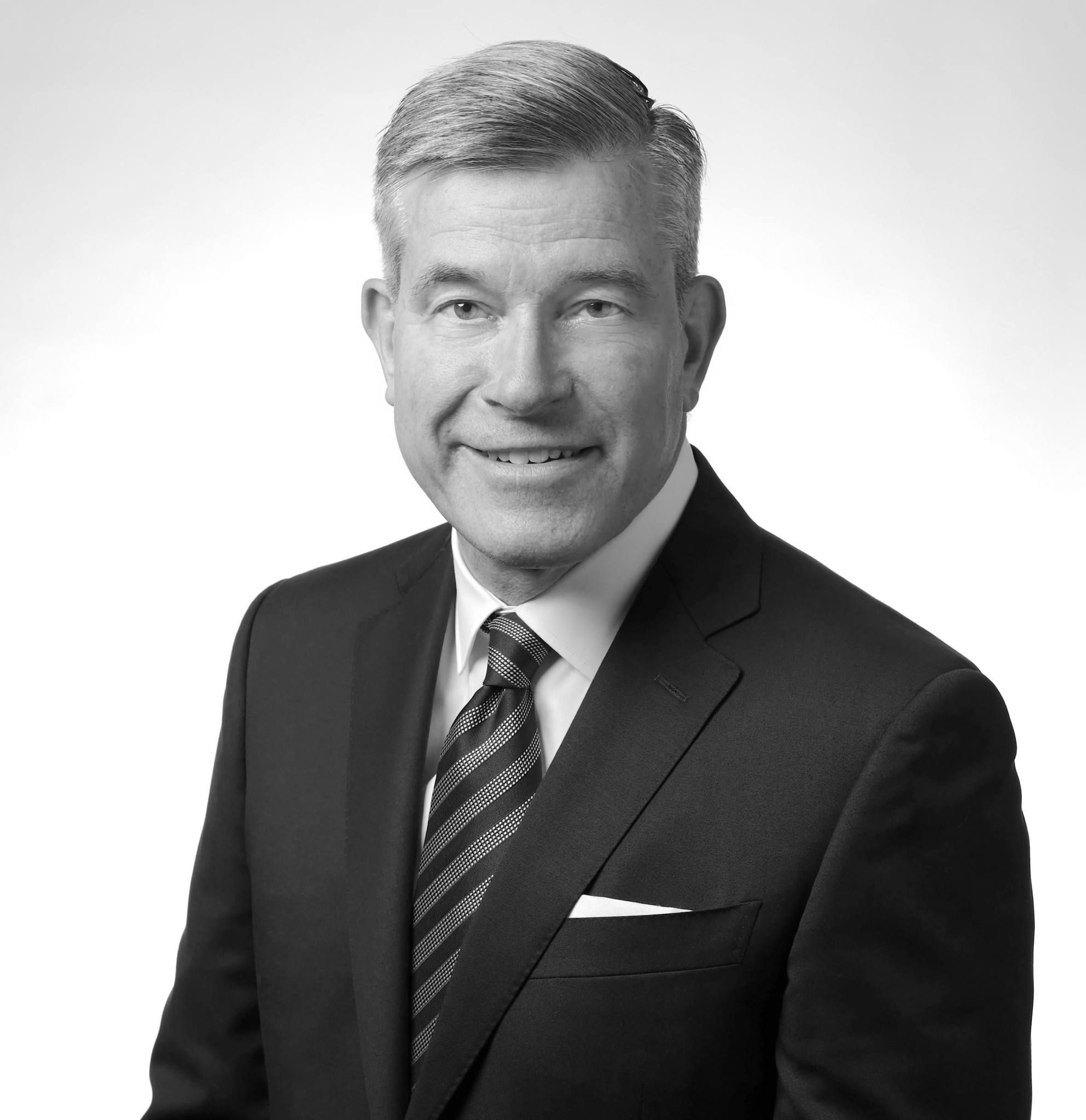
Justin R. Fogarty
Chairman and Founding Partner, Pivotas AG